


Start Here: Two Ways to Work With Us

Already Have a Design / Brand Colours?
Send us your artwork with your brand colours (Pantone, HEX, or RGB) and we'll match them precisely. If you already know the look you want, we'll turn it into a production-ready plan.
You get free: exact colour matching, plus material and finish recommendations tailored to your artwork.

Need Help Choosing?
Not sure which material or finish is right? Use this guide to pick your material, finishing method, and light colour, then send us your idea — we'll create a free digital visualisation so you can see it before you buy.
You get free: a material & finish consultation and a free visual mockup.
At a Glance
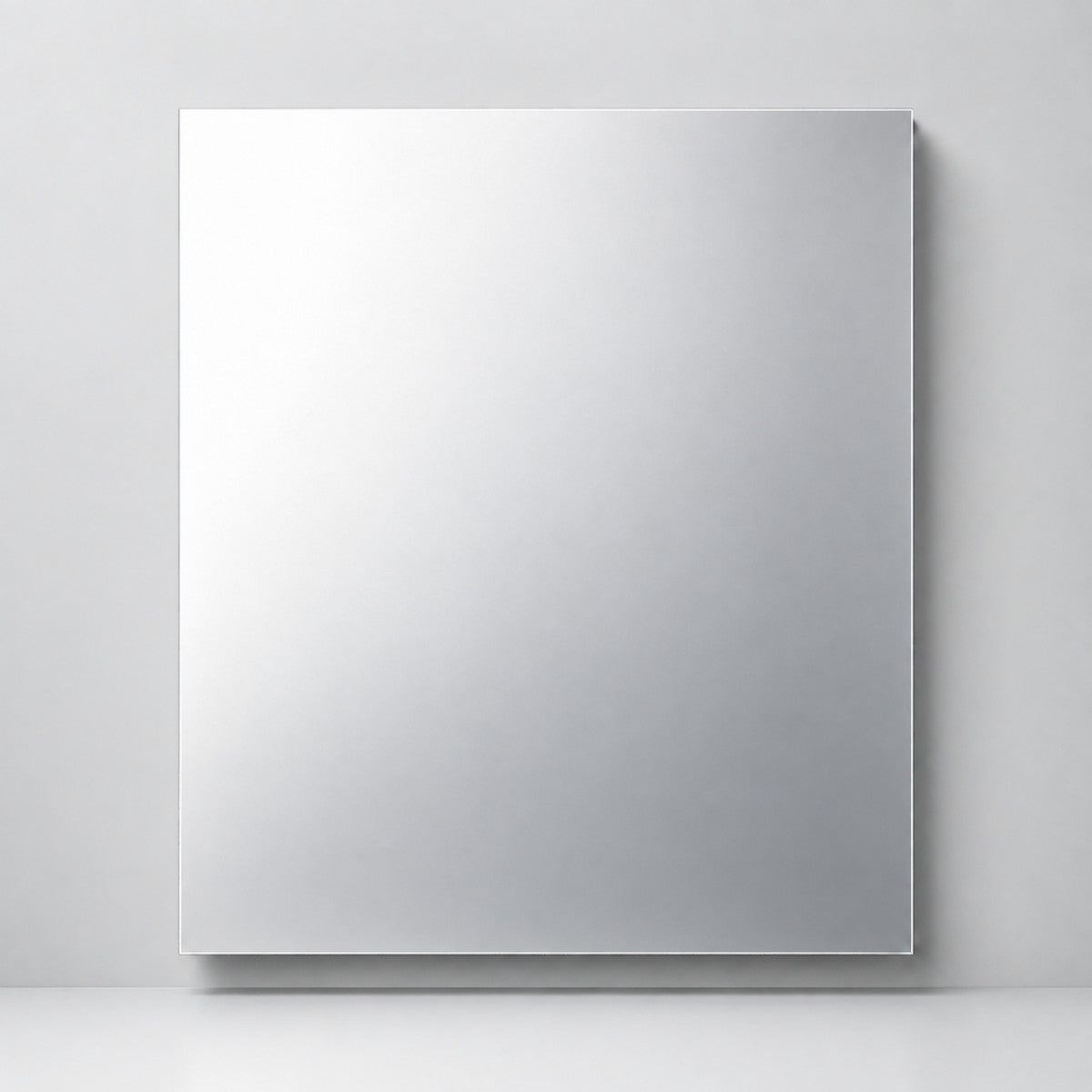
Stainless Steel
Painting or Brushed or Mirror plating
Options: Gold · Silver · Rose Gold · Black · Bronze · etc.
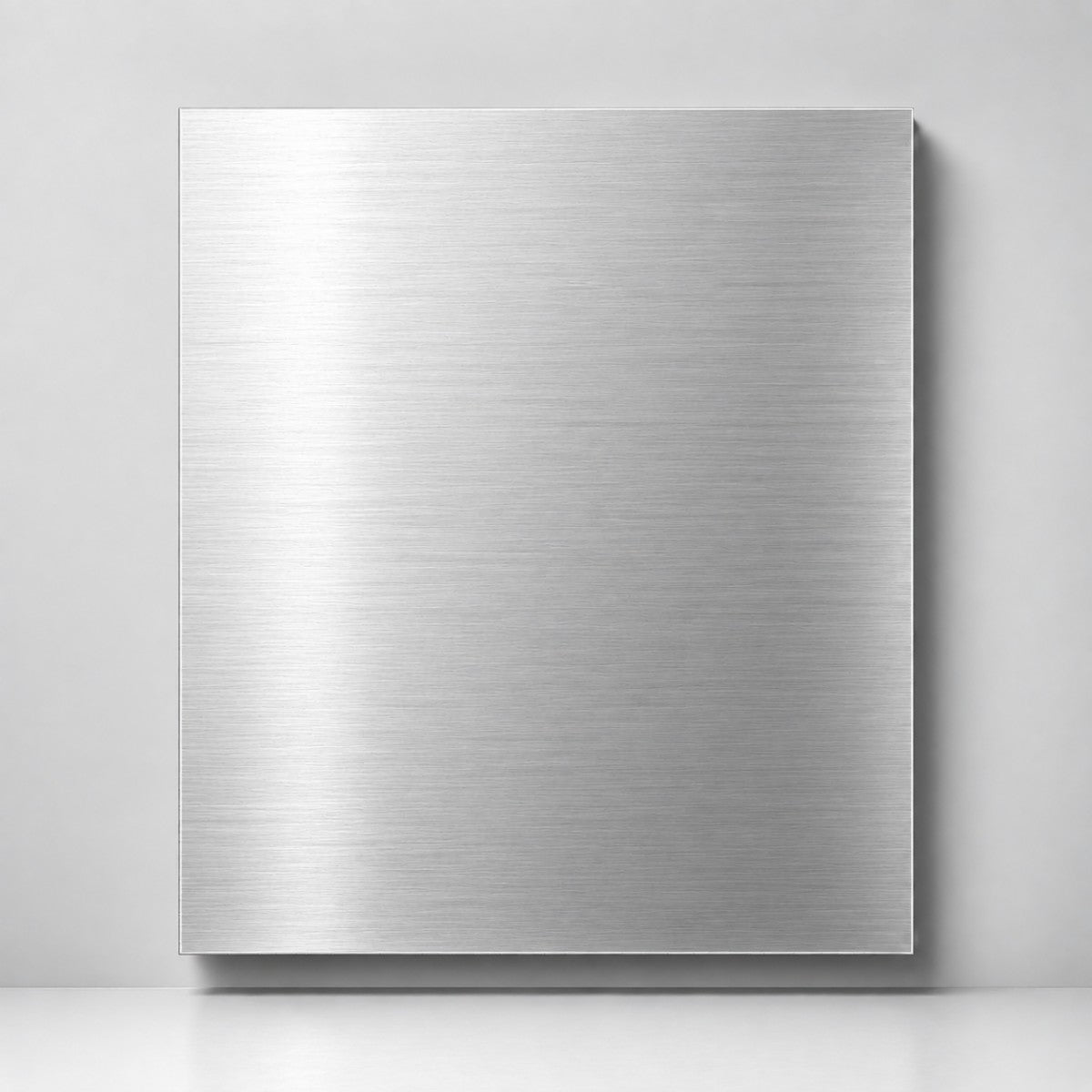
Aluminum
Baked enamel or Anodizing
Options: Any RAL / Pantone colour
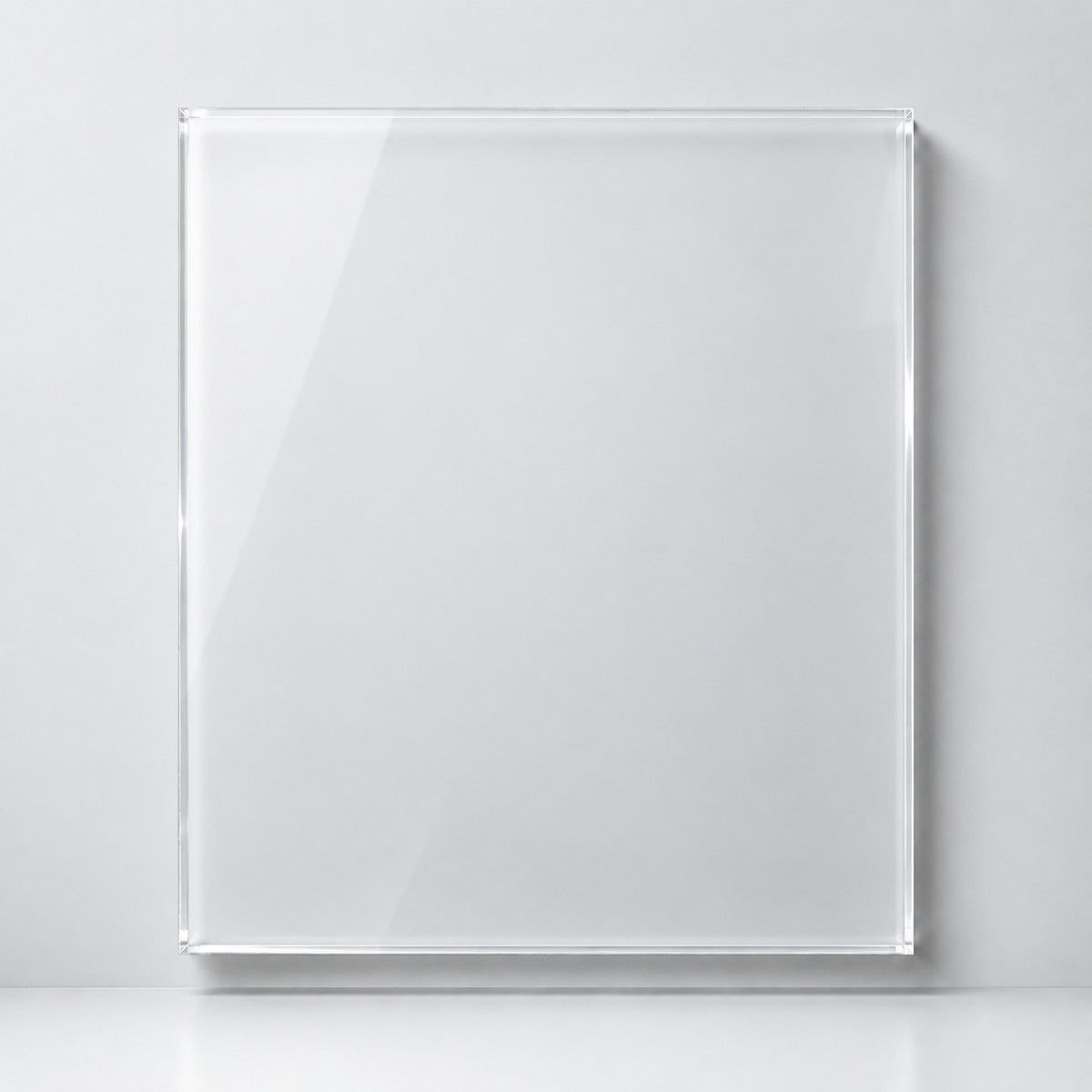
Acrylic
Solid cast colour, 3M or Avery film
Options: Any brand colour matched
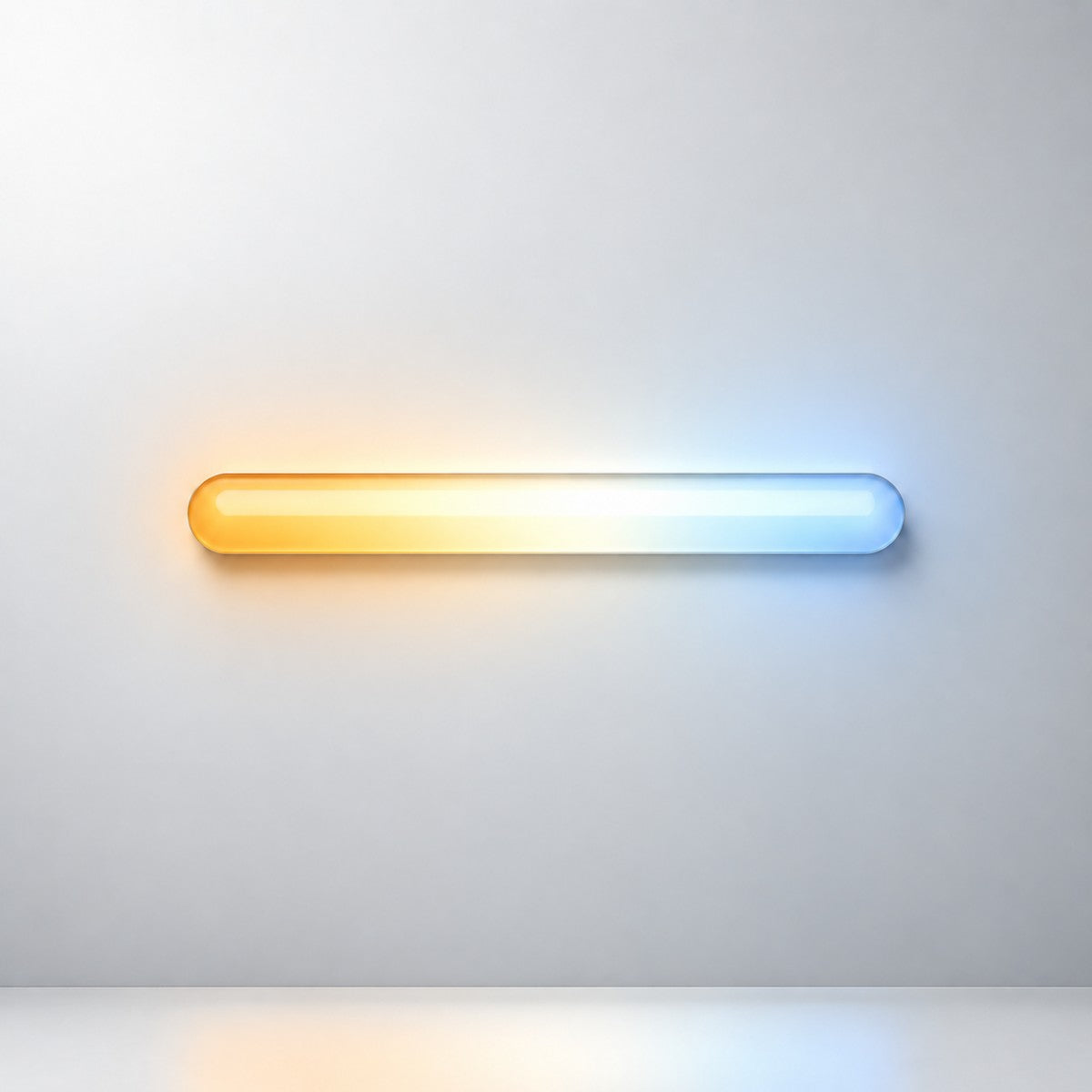
LED Modules & Strips
Colour temperature or RGB modes
Options: 3000K–10000K · Single / RGB / RGBIC
The Materials
Four materials do 90% of the work in modern signage. Each one brings a different personality — here's what they're good at.

Stainless Steel
Architectural-grade metal with a premium weight and feel. The go-to for a high-end, "expensive" look that ages beautifully.
Best for: channel letters, pylon panels, luxury plaques, high-end storefronts.

Aluminum
Lightweight, corrosion-resistant, and endlessly paintable. The workhorse of large-format signage — strong enough to build big, light enough to install anywhere.
Best for: light boxes, sign cabinets, large-format structures, outdoor displays.

Acrylic
The colour carrier. Clear, translucent, or solid — acrylic diffuses light beautifully and holds colour with crisp consistency.
Best for: lightbox faces, dimensional letters, neon-style panels, illuminated displays.
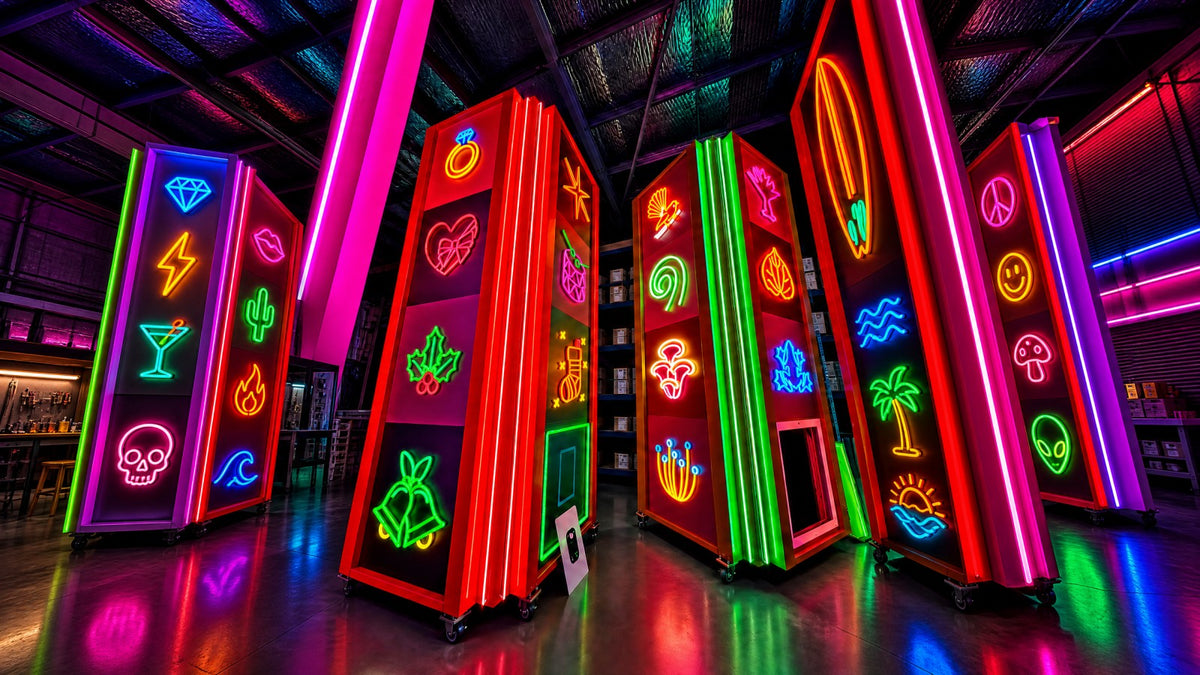
LED Modules & Strips
The light source. Its brightness and colour define the sign's night-time personality — and it's the element that makes everything glow.
Best for: backlighting, edge lighting, channel letters, neon effects.
How Colour Is Created — Finishing Each Material
A material alone has no colour — its finish does. Here's how colour and texture come to life on each of our four materials.
Stainless Steel: Plating & Texture
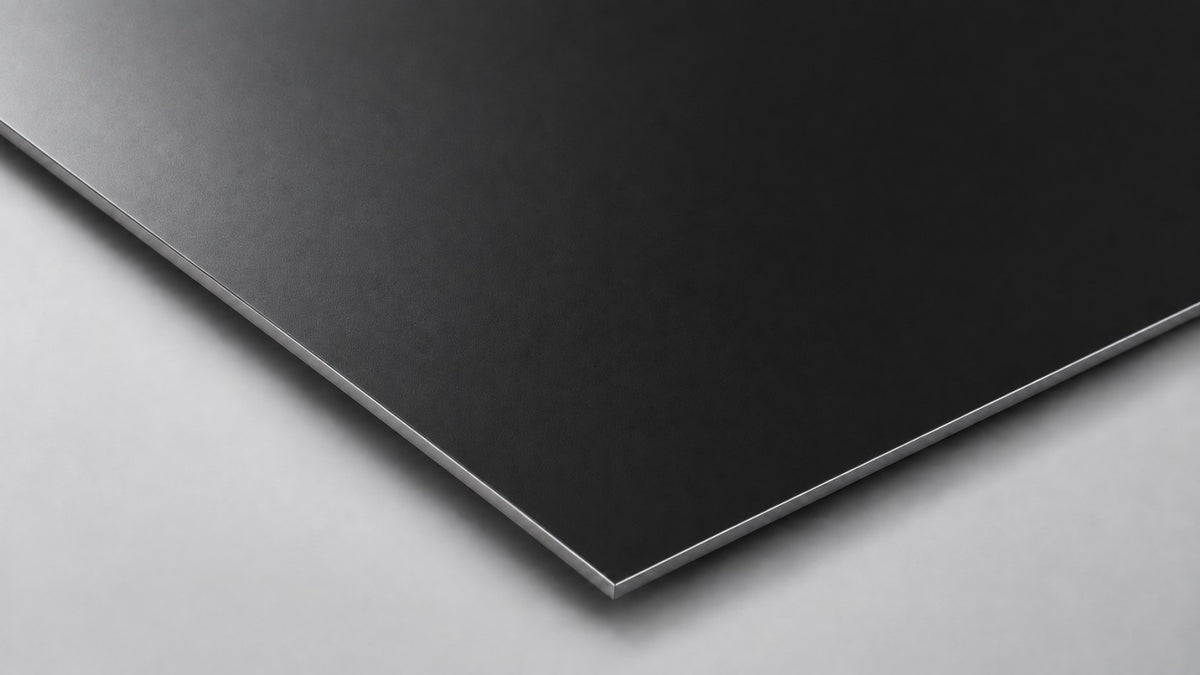
Painting / Powder Coating
Tough, weatherproof paint baked onto the surface. Available in virtually any colour from the RAL or Pantone range.
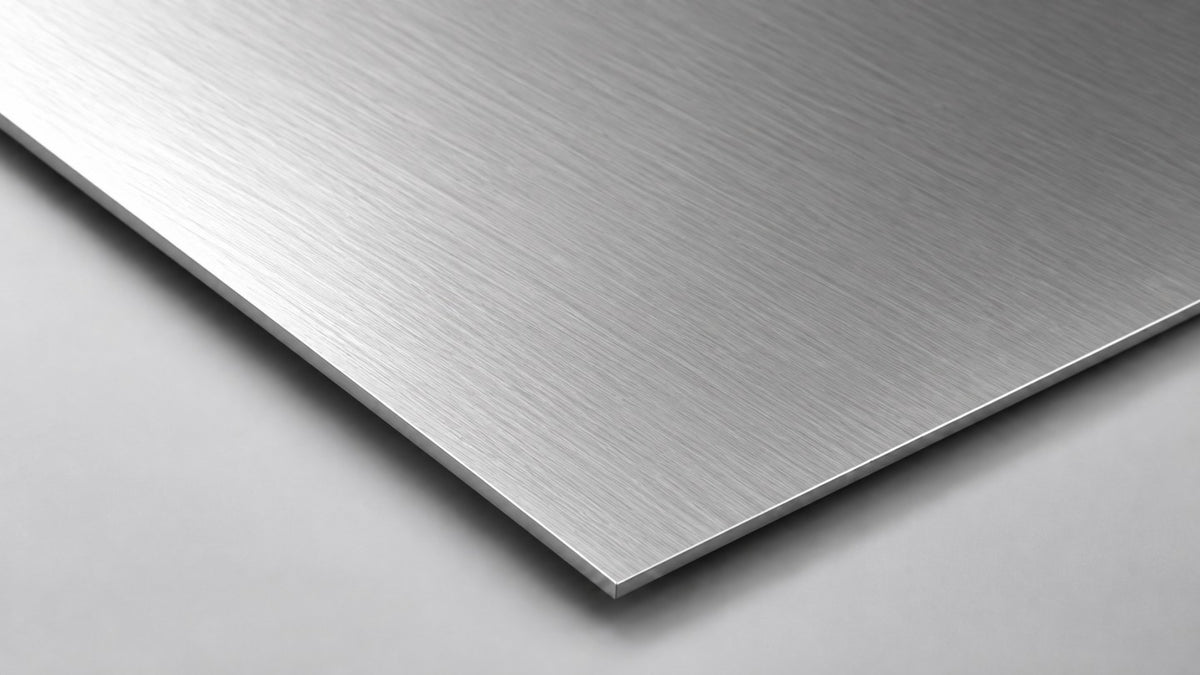
Brushed Plating
A sophisticated matte finish with fine directional "hairlines." Fingerprint-resistant, diffuses light softly, feels quiet and premium.
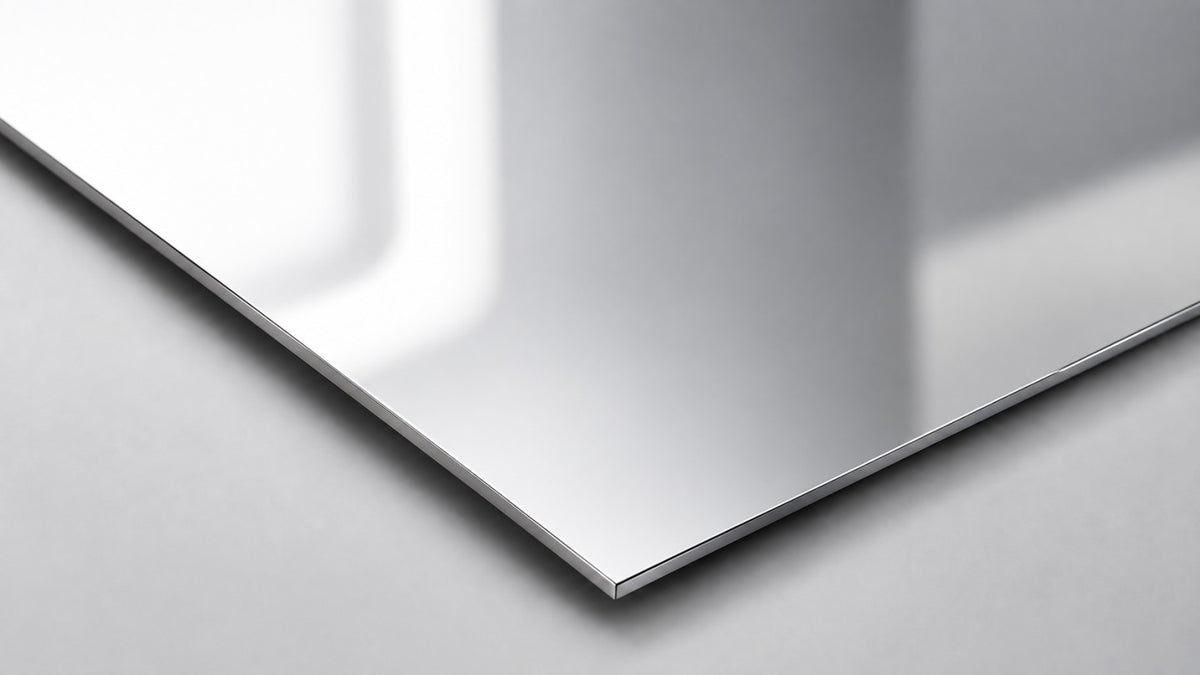
Mirror Plating
Polished to a high-gloss, reflective shine. Bounces ambient light for a high-luxury, jewellery-store aesthetic.
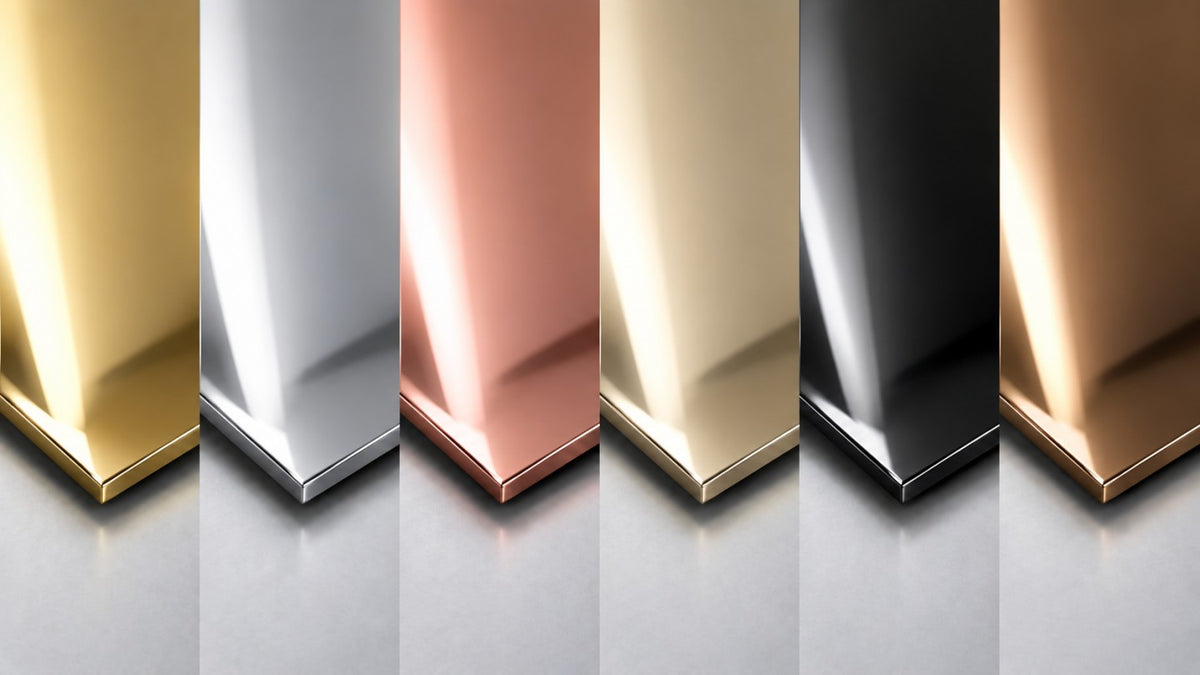
Available Colours
Gold · Silver · Rose Gold · Champagne · Black · Bronze — or any baked-enamel colour.
Aluminum: Paint & Anodizing
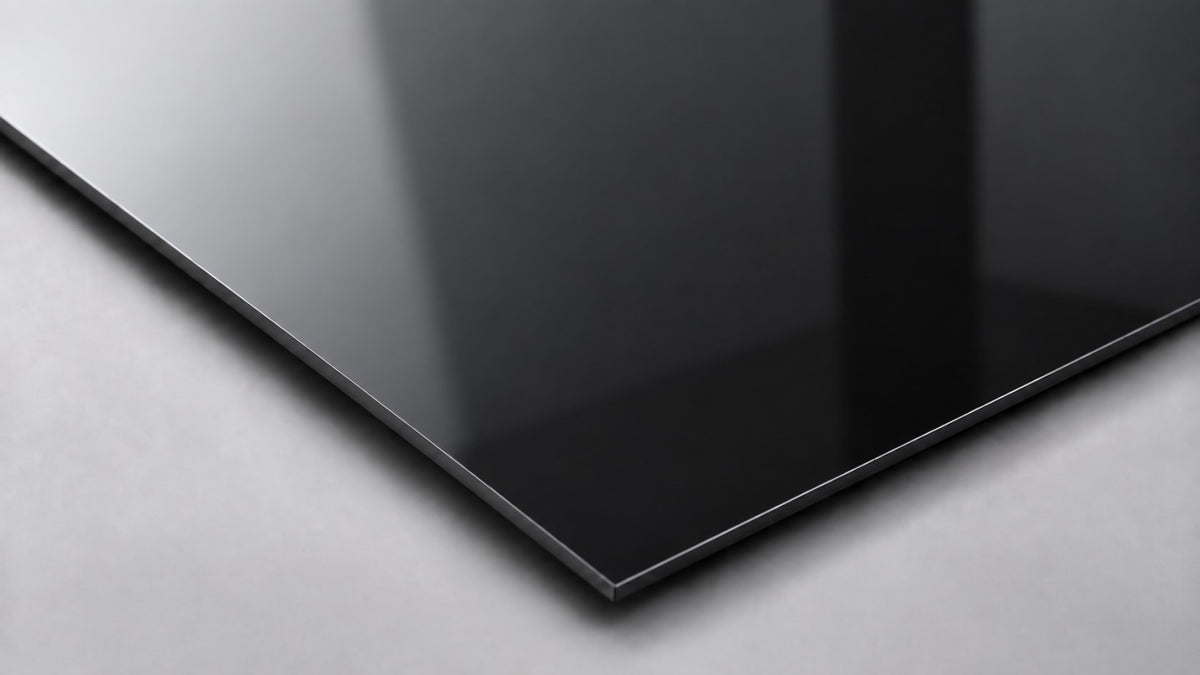
Baked Enamel / Powder Coating
Tough, weatherproof paint baked onto the surface. Available in virtually any colour from the RAL or Pantone range.
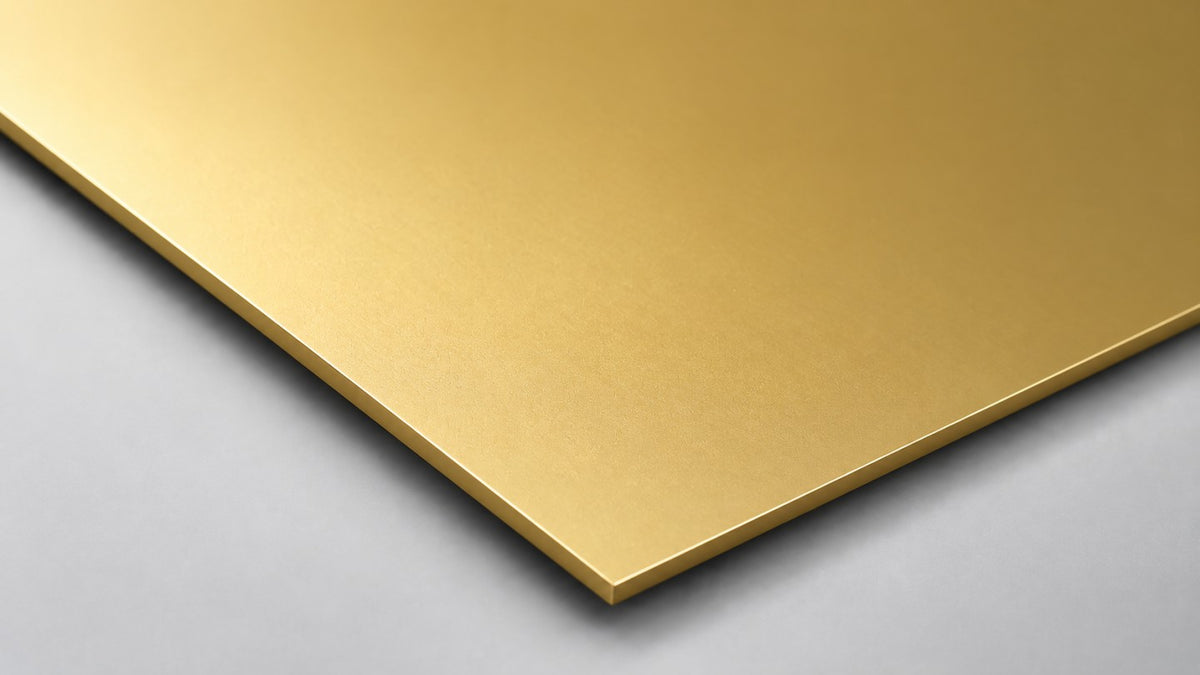
Anodizing
An electrochemical finish that keeps a natural metallic tone while adding scratch resistance. Subtle, modern tones: clear, champagne, and black.
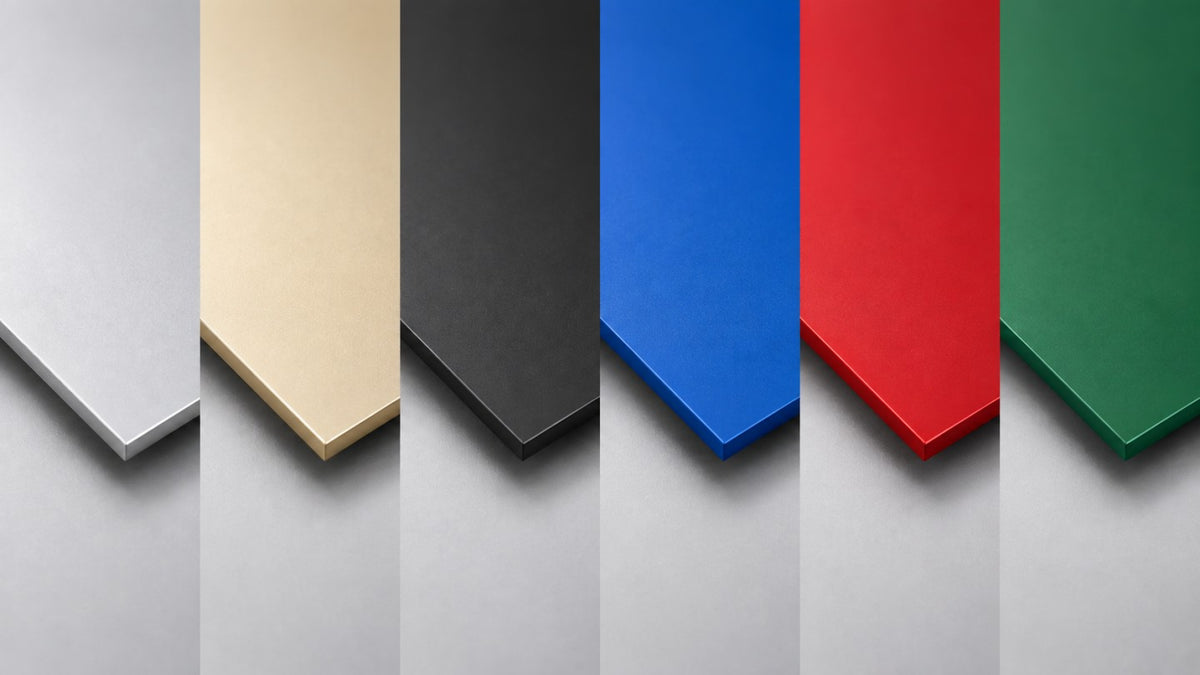
Available Colours
Natural anodized tones, or any baked-enamel colour.
Acrylic: Solid Colour & Vinyl Films
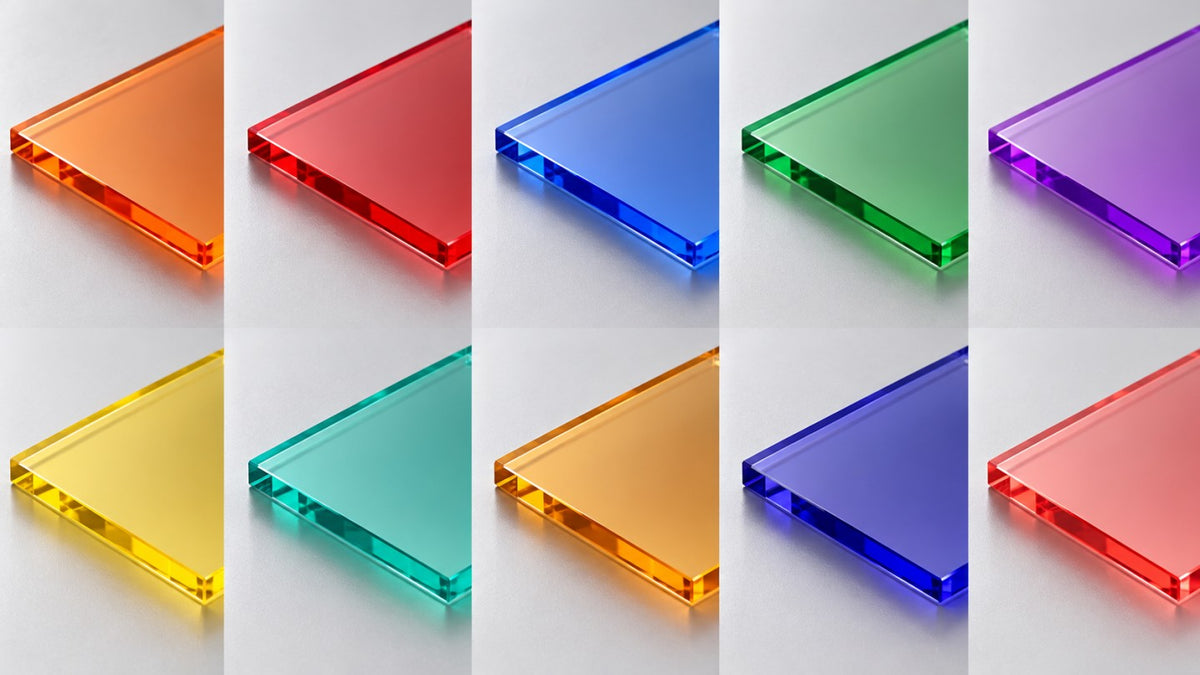
Solid Cast Colour
Colour runs through the entire sheet, not just the surface. UV-stable and consistent for years.
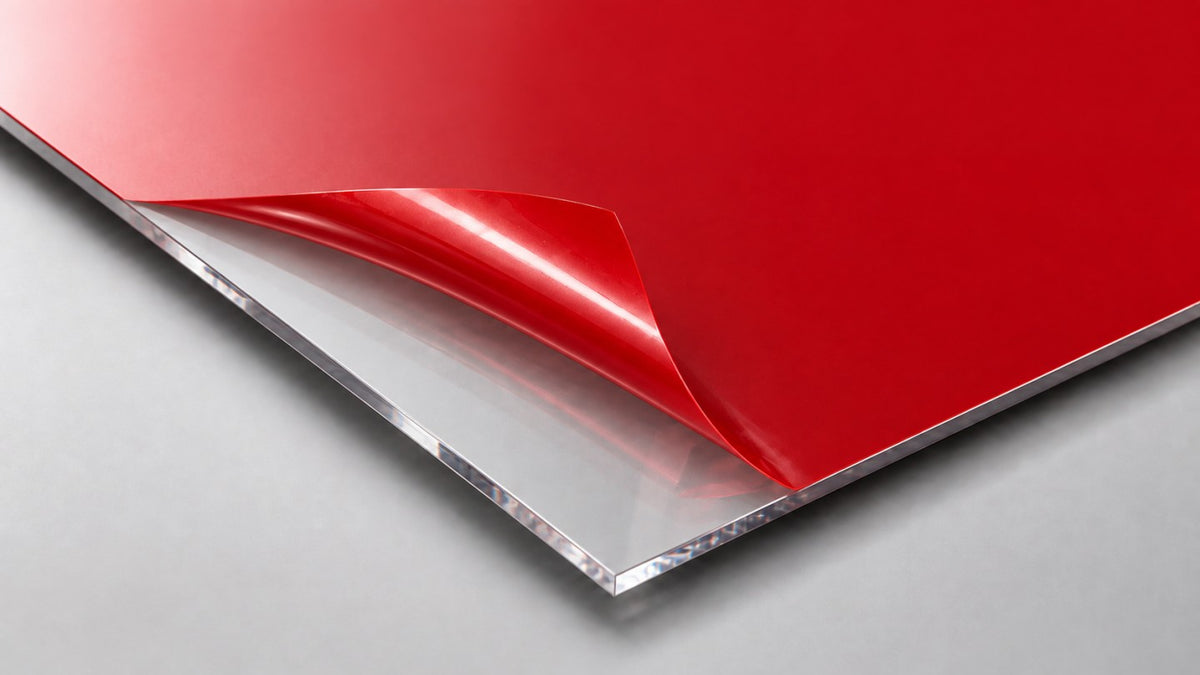
3M™ Vinyl Wrap
A premium adhesive film with a vast colour range and excellent durability for outdoor use.
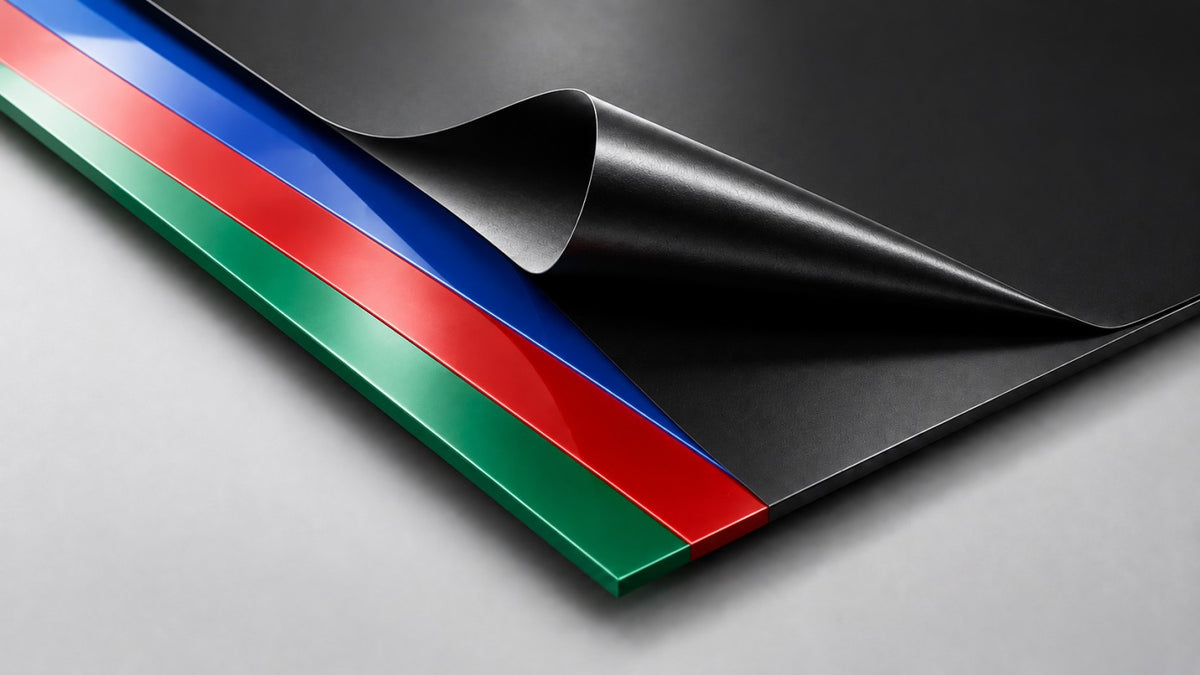
Avery Dennison Vinyl
High-end film known for deep, rich colour and reliable long-term performance.
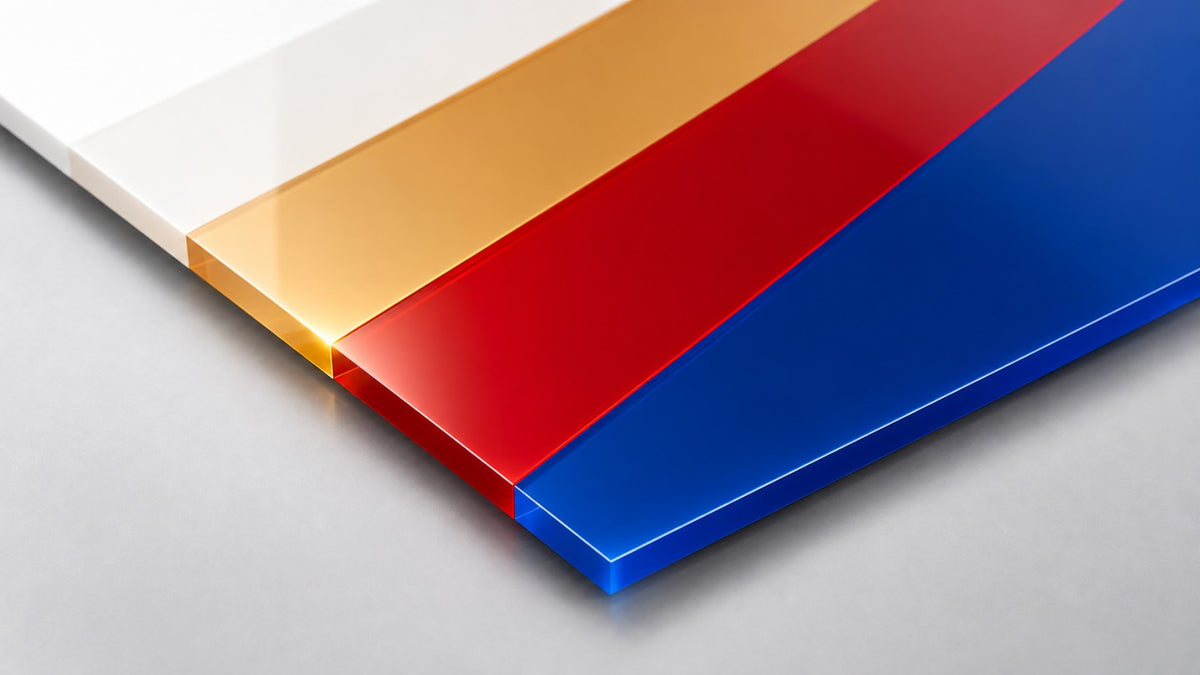
Available Colours
Any RAL, Pantone, or brand colour — matched precisely on request.
LED Modules & Strips: Light Colour
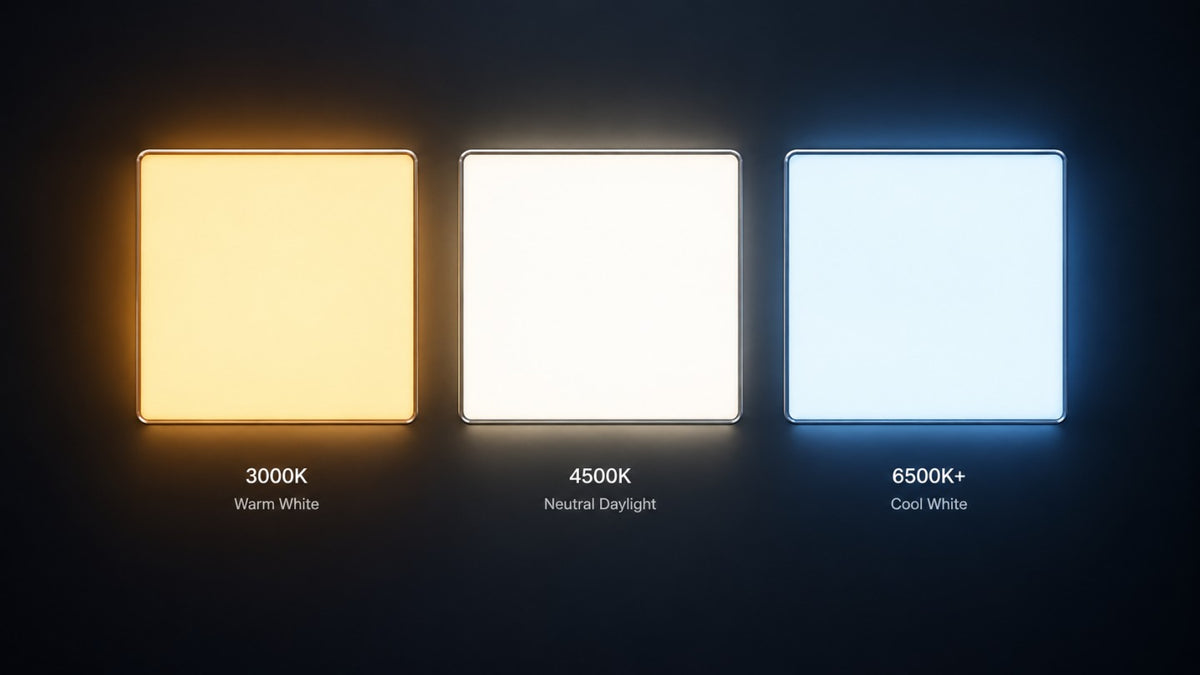
White Light Temperature
Measured in Kelvin (K):
- 3000K Warm White (cozy, restaurant-friendly)
- 4500K Neutral (clean, office-friendly)
- 6500K–10000K Cool White (sharp, high-visibility)
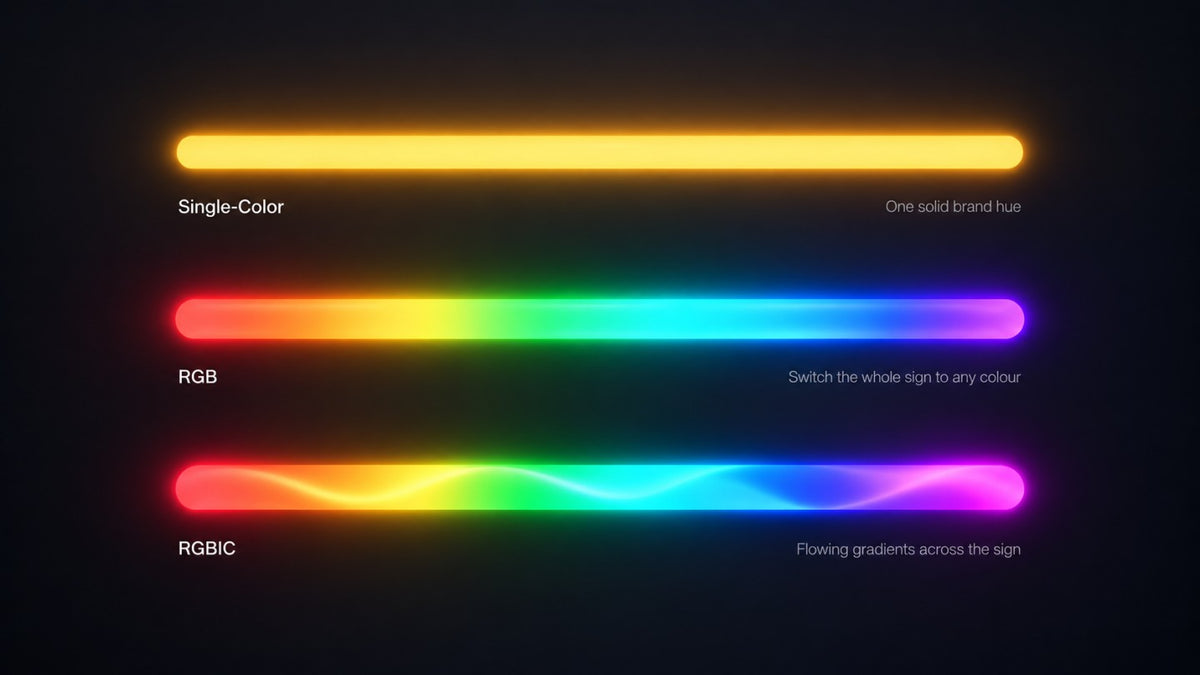
Colour Behaviour
- Single-Color LED (one solid brand hue)
- RGB (switch the whole sign to any colour)
- RGBIC (flowing gradients and multi-colour patterns across the sign)
The Fine Print
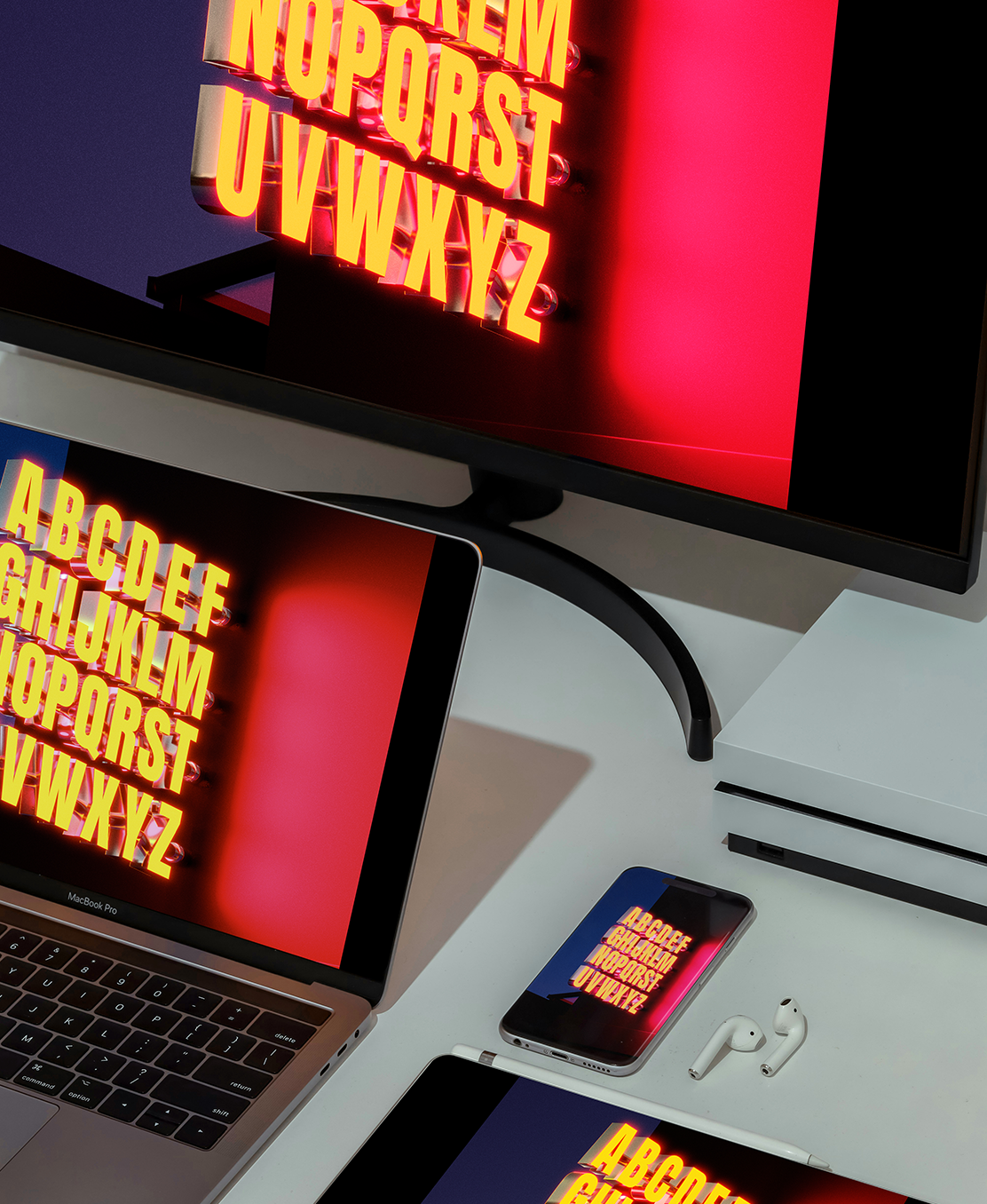
- Screen vs. Reality: Digital screens emit light differently, so physical colours may vary slightly from what you see on your monitor.
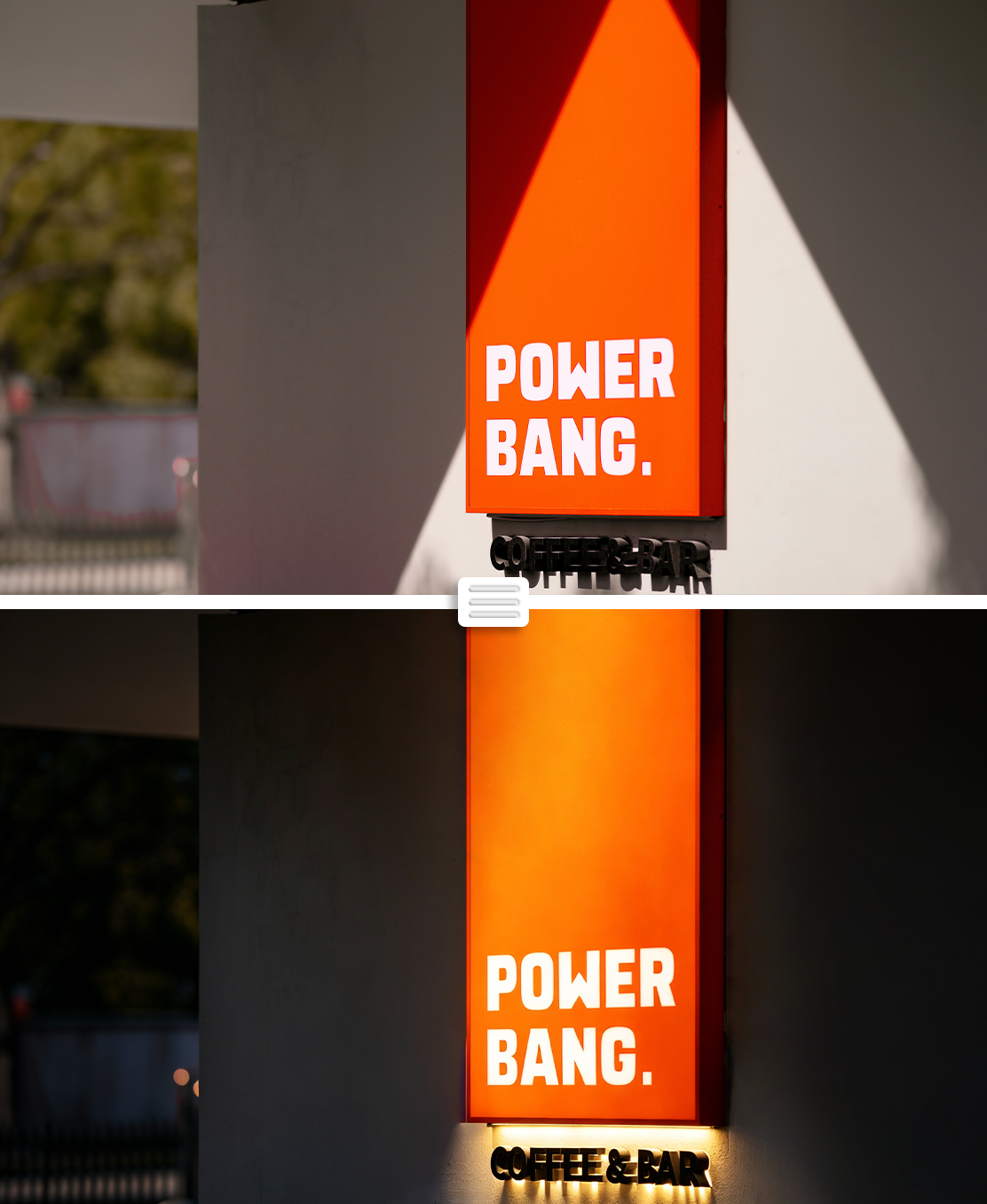
- Day vs. Night: A sign has two "lives." By day, the material and finish set the tone; by night, internal LEDs transform it into a glowing beacon. Colours always appear more saturated in a dark environment.